Entity Framework Core: Complete CRUD Operation With Repository Pattern (ASP.NET Core 8) — 2025 Guide
When building real-world ASP.NET Core applications, the Repository Pattern is one of the most reliable ways to organize your data access layer. It makes your project clean, testable, maintainable, and scalable.
In this step-by-step ASP.NET Core 8 + EF Core 8 CRUD tutorial, you will learn:
- ✔ How to create a model
- ✔ How to configure EF Core DbContext
- ✔ How to apply Repository Pattern
- ✔ How to build a Service layer
- ✔ How to write CRUD operations (Create, Read, Update, Delete)
- ✔ How to expose everything through a clean Web API controller
If you missed the previous tutorial about uploading images, check it here:
👉 ASP.NET Core 8 Image Upload & Display (Database + Folder Options)
Let’s begin.
🔥 What Is the Repository Pattern in ASP.NET Core and Why Should You Use It?
The Repository Pattern is a design pattern used to separate the business logic from the data access logic.
It helps:
- Reduce code duplication
- Improve unit testing
- Simplify maintenance
- Support SOLID principles
- Make your EF Core code cleaner
In large applications, this pattern is the standard for enterprise-level development.
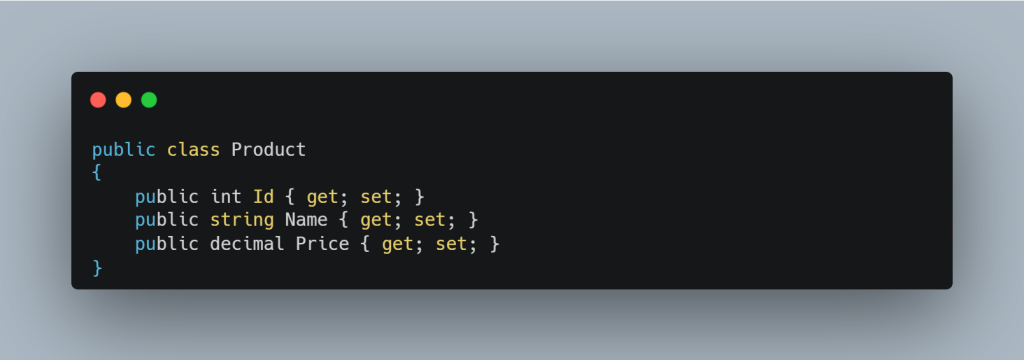
🧱 Step 1: Create the Model
📌 Models/Product.cs
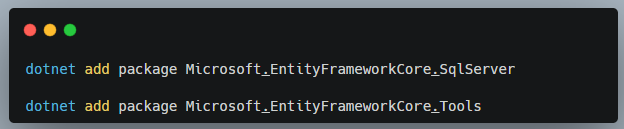
🛠️ Step 2: Add EF Core NuGet Package
Run this command:
🧩 Step 3: Configure Database Connection (appsettings.json)

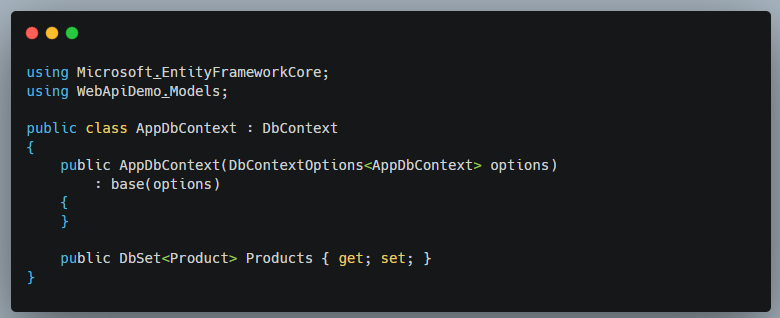
🔧 Step 4: Create DB Context
📌 Data/AppDbContext.cs
🔌 Step 5: Register DbContext in Program.cs

💡 Implement Repository Pattern for Clean Data Access
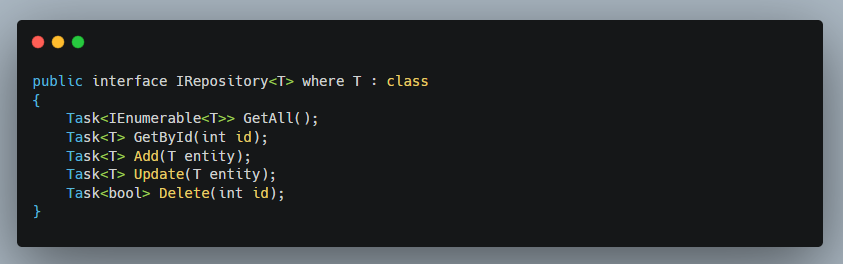
🧠 Step 6: Create Repository Interface
📌 Repositories/IRepository.cs
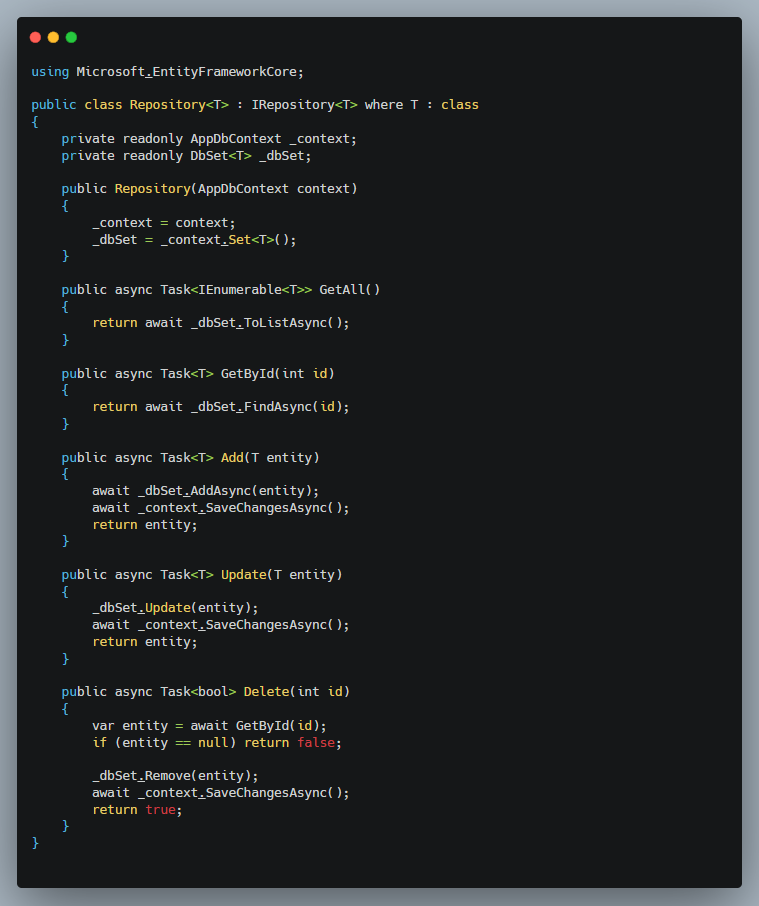
🏗️ Step 7: Create Generic Repository
📌 Repositories/Repository.cs
🧠 Step 8: Register Repository in Program.cs

🚀 Step 9: Create Service Layer for Business Logic
📌 Services/ProductService.cs
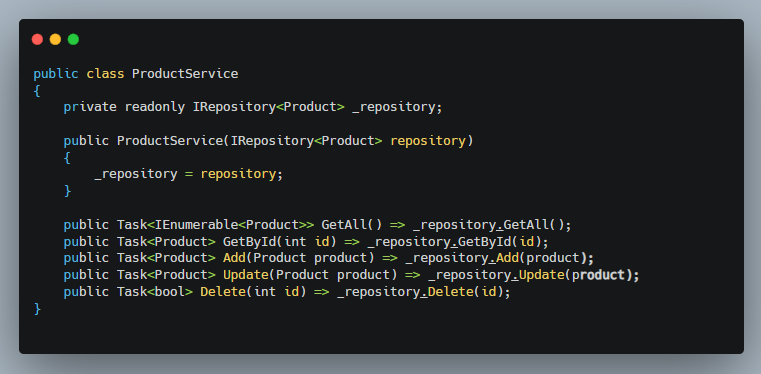
Register service:

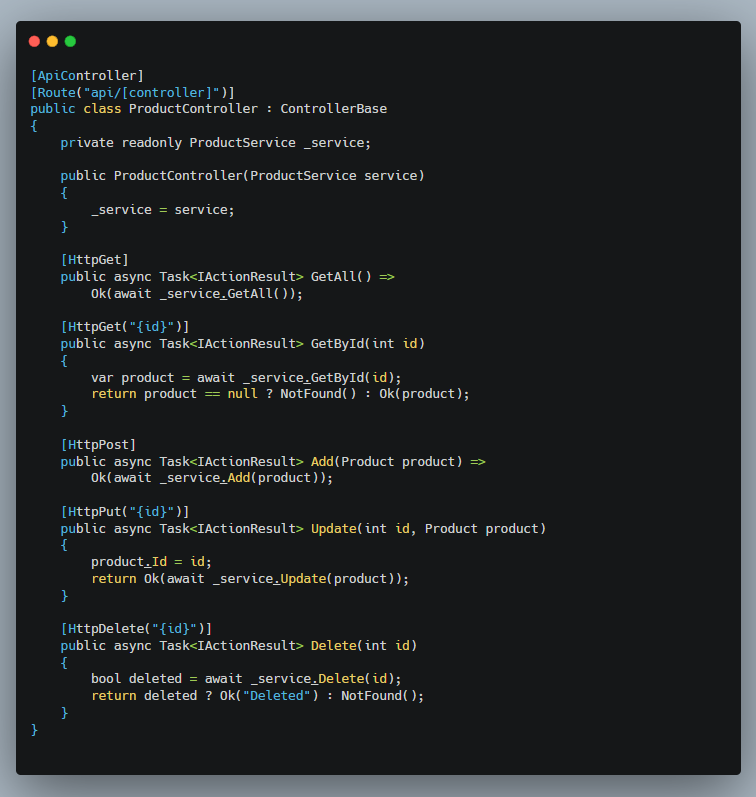
📣 Step 10: Create CRUD Controller
📌 Controllers/ProductController.cs
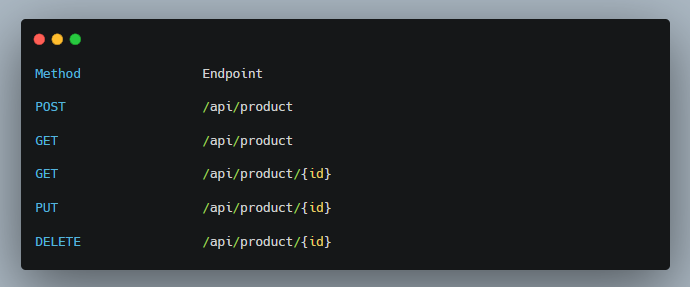
🔥 Testing CRUD Operations in Swagger & Postman
You can test:
❓ FAQ (SEO Optimized)
1. What is the Repository Pattern in ASP.NET Core?
It separates business logic from data access to make applications maintainable.
2. Why use a generic repository?
It reduces duplicate code and simplifies CRUD operations.
3. Is repository pattern required in EF Core?
Not required, but strongly recommended in enterprise applications.
4. Can we test repositories easily?
Yes, repository pattern is highly testable using mocks.
5. Which is better: Repository or CQRS?
Use Repository for simple CRUD apps, CQRS for enterprise-level read/write separation.